Klaro Sign in Try it free
Powered by research

Built on what research shows about how people learn.

The findings Klaro is built on, what they look like in the app, and where to read them.

Why Klaro keeps it all together

Klaro keeps your tutor's lecture, book page and past-paper questions together because studies of learning point that way. Here are the findings we build on, what each looks like in Klaro, and the studies behind them.

Four peer-reviewed sources, each listed with its DOI link.

See the sources

Three findings we build on

What each study found, and where you'll see it in Klaro.

Learning and Instruction, 2006

Keep the source next to the explanation

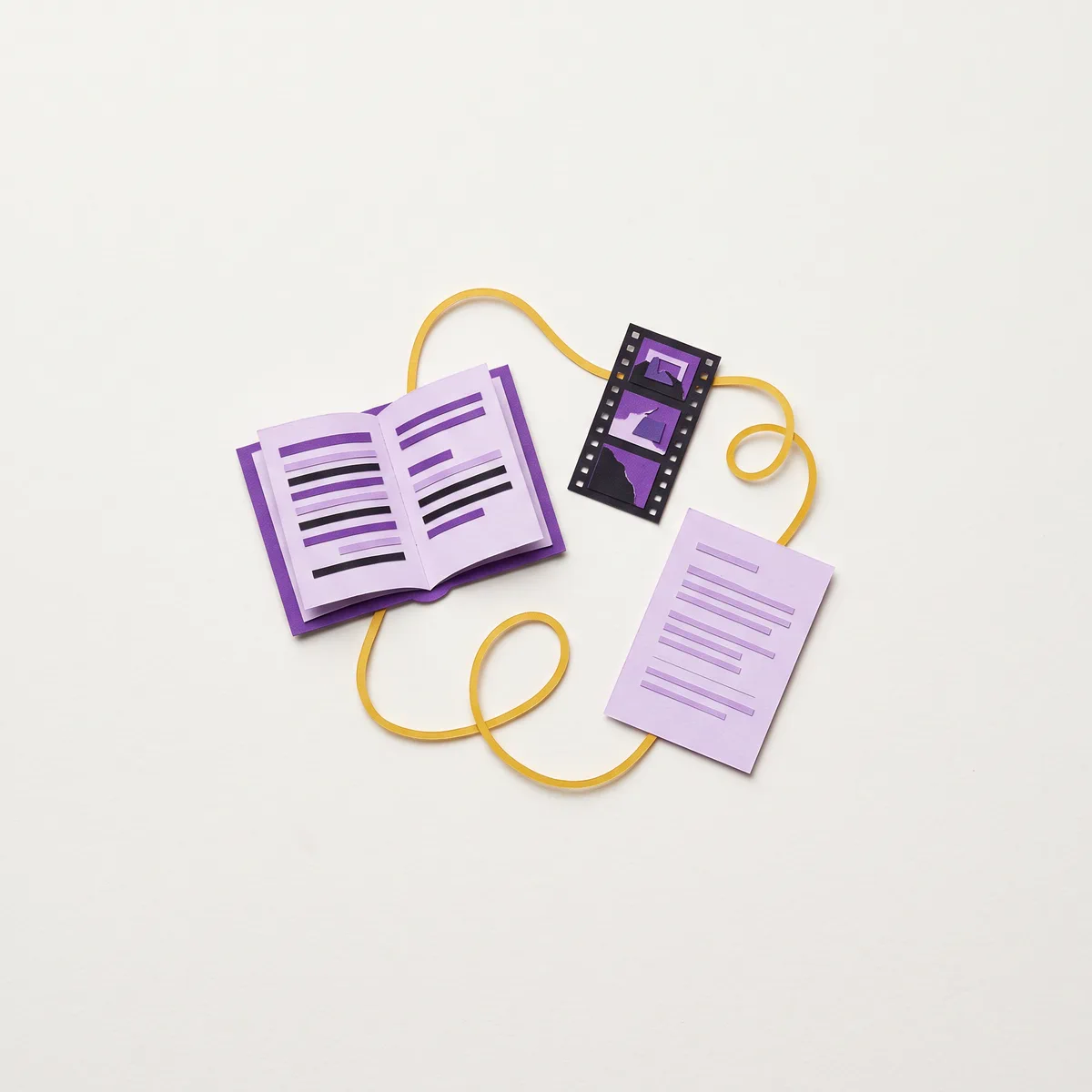
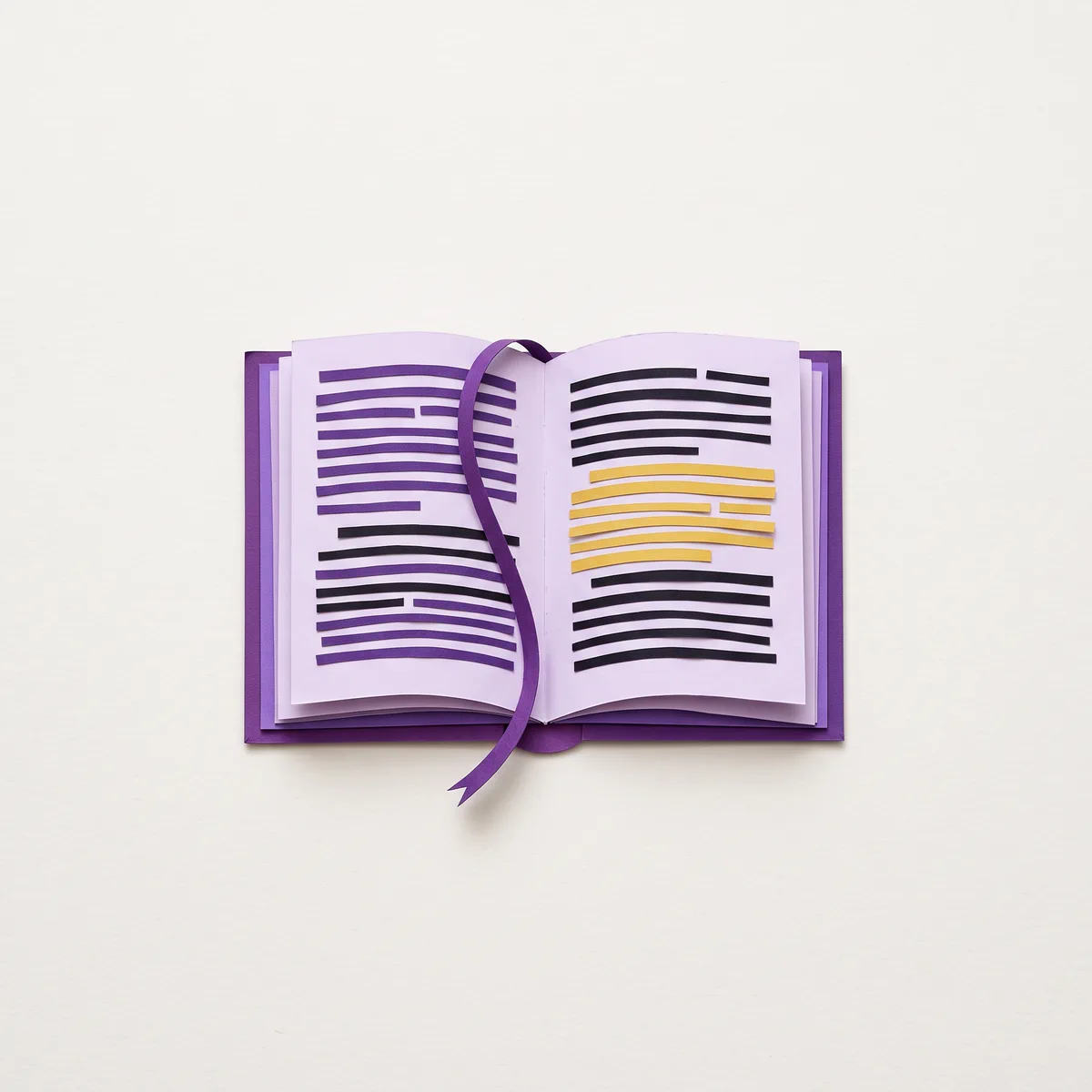
When related information is split across pages, screens or moments, learners have to divide their attention between the pieces. A meta-analysis of 50 studies found that bringing related information together, on the same page or at the same moment, improved learning, especially with complex material [1].

In Klaro. In the study view, the course book sits beside your tutor's lecture. Each lecture clip opens the part of the book it teaches, and you can point at a part of the book to watch the moment that explains it. Past-paper questions on it are on the same screen.
Psychological Science, 2006 · Psychological Science in the Public Interest, 2013

Testing yourself beats reading it again

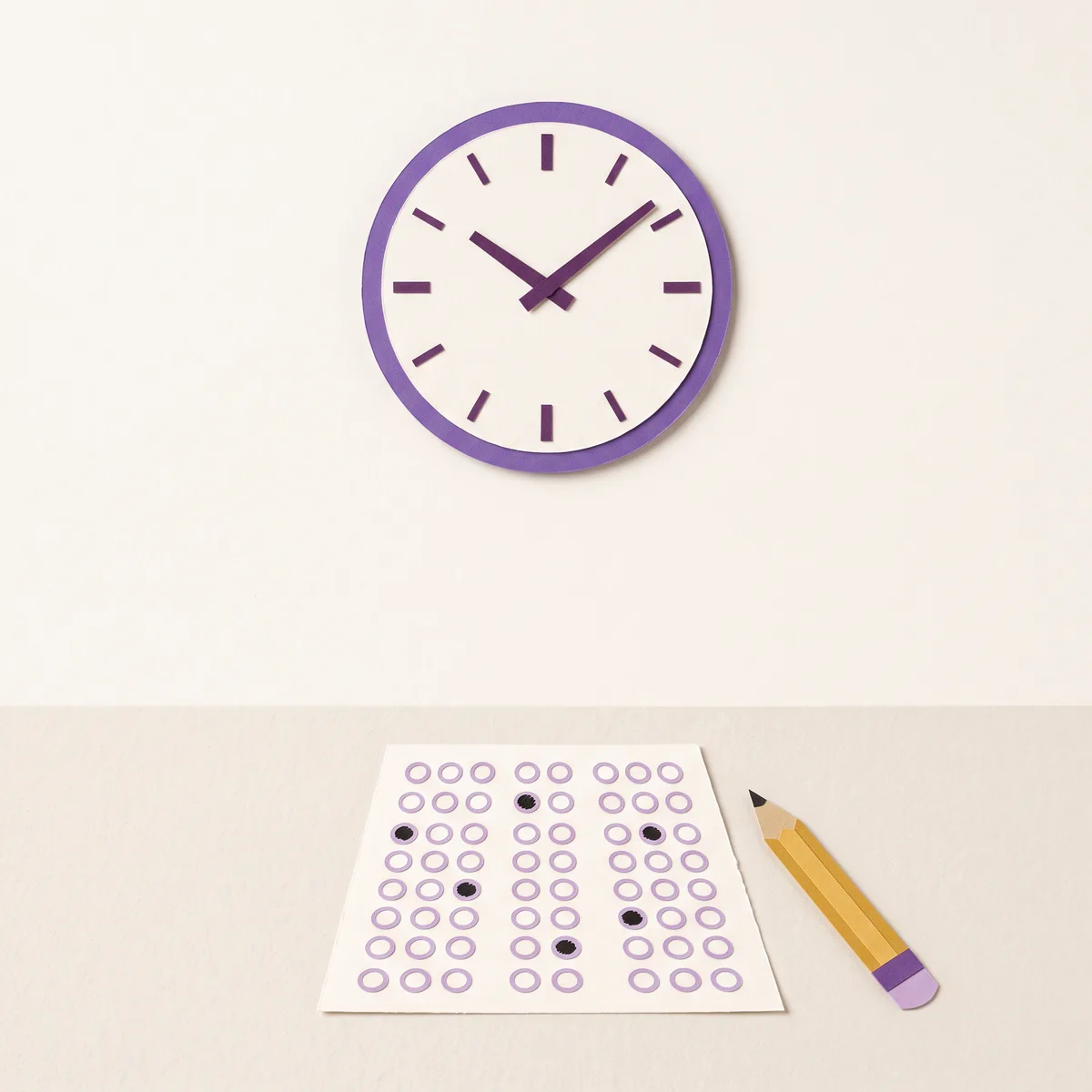
Students who practised recalling a passage remembered more of it two days or a week later than students who re-read it the same number of times. Re-reading came out ahead only on a test five minutes later, even though it made students more confident they would remember [2].

A review of ten study techniques rated practice testing as high utility, and rereading and highlighting as low utility [3].

In Klaro. Your course comes with real past-paper questions, filed under the chapters of your book, so you can test yourself on a topic instead of reading it again. Multiple-choice answers are checked the moment you answer.

Review of Educational Research, 2007

Feedback that says how you did and what's next

A review of research on feedback found it is one of the strongest influences on learning, but its effect can be positive or negative, depending on its type and how it is given. The authors propose that useful feedback answers three questions: where am I going, how am I going, and where to next [4].

In Klaro. After each practice answer, Klaro shows the right answer and where it's explained: the book page and the lecture clip. Progress shows your quiz marks and what's next up. For scanned written papers, Klaro marks against your tutor's mark scheme, and your tutor checks the marks, can change any of them, and sends the results.

Three rules for every source we cite

  • Peer-reviewed sources only

    We cite studies and reviews published in peer-reviewed journals, not blog posts, surveys of our own users or our own claims.

  • Every source linked

    Each finding carries a numbered reference with a DOI link, so you can read the study for yourself.

  • What a study does and doesn't show

    We say what each study tested and where its findings stop, including that none of them tested Klaro.

What this research doesn't show

These findings explain why Klaro works the way it does. They are not evidence that Klaro itself works.

  • These studies are about how people learn in general. None of them studied Klaro.
  • Klaro hasn't been independently evaluated yet, so we make no claims about grades or exam results.
  • Each study used particular materials, learners and tests. In [2], students studied prose passages and were tested up to a week later. The studies in [1] focused on learners new to a topic.

Sources

  1. Ginns, P. (2006). Integrating information: A meta-analysis of the spatial contiguity and temporal contiguity effects. Learning and Instruction, 16(6), 511–525. https://doi.org/10.1016/j.learninstruc.2006.10.001

    Cited in: Keep the source next to the explanation
  2. Roediger, H. L., & Karpicke, J. D. (2006). Test-enhanced learning: Taking memory tests improves long-term retention. Psychological Science, 17(3), 249–255. https://doi.org/10.1111/j.1467-9280.2006.01693.x

    Cited in: Testing yourself beats reading it again
  3. Dunlosky, J., Rawson, K. A., Marsh, E. J., Nathan, M. J., & Willingham, D. T. (2013). Improving students' learning with effective learning techniques: Promising directions from cognitive and educational psychology. Psychological Science in the Public Interest, 14(1), 4–58. https://doi.org/10.1177/1529100612453266

    Cited in: Testing yourself beats reading it again
  4. Hattie, J., & Timperley, H. (2007). The power of feedback. Review of Educational Research, 77(1), 81–112. https://doi.org/10.3102/003465430298487

    Cited in: Feedback that says how you did and what's next

Authors, titles, journals, volumes and pages checked against each DOI's Crossref record.

See these findings in the app.

Open the sample course and tap any part of the book.